
India on the GLOBAL STAGE
India on the GLOBAL STAGE
International brands are putting their might behind the big fat Indian wedding with designer collaborations, festive drops & global brand ambassadors. Upasana Das investigates the key indicators of their success
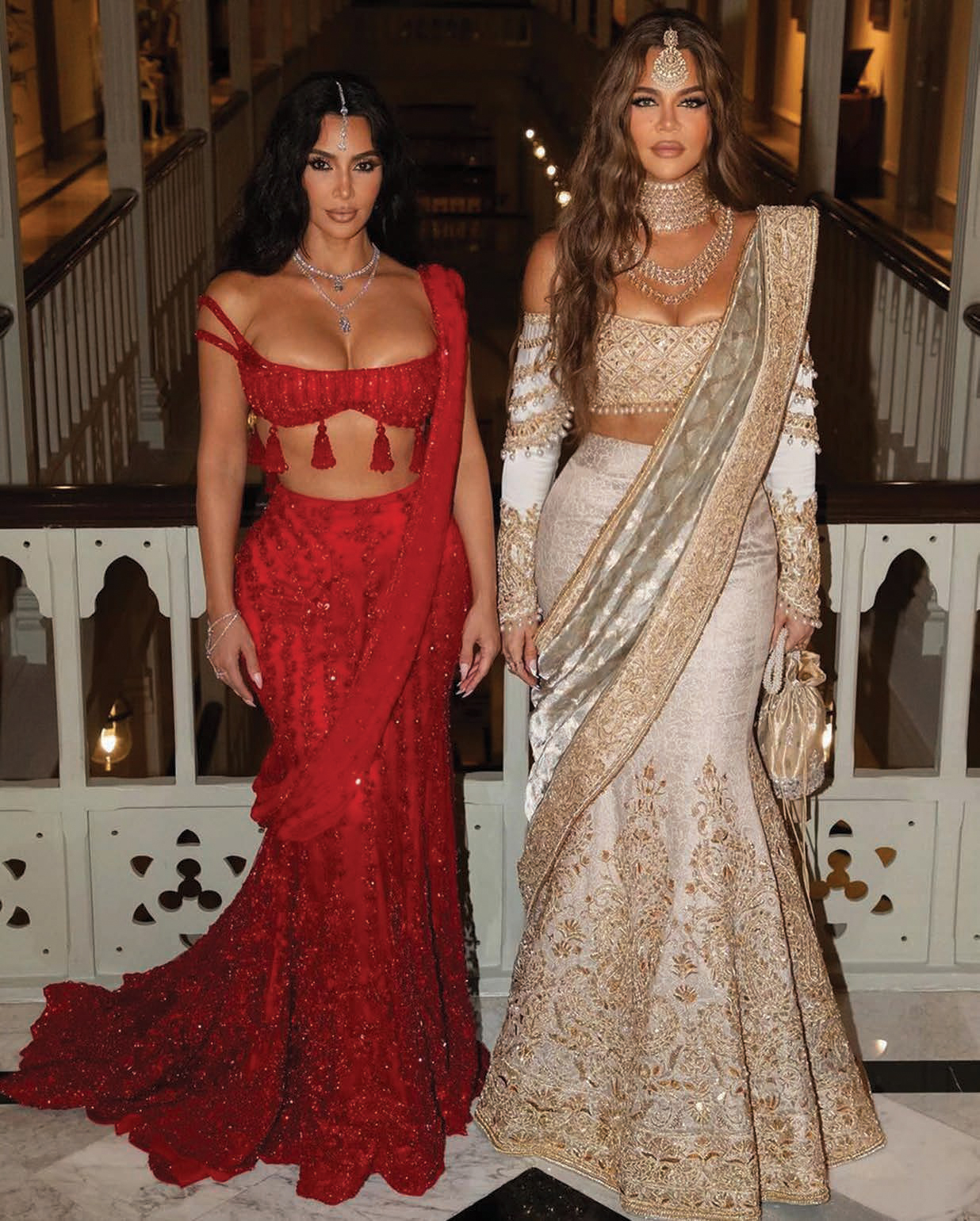
I’ve never seen anything like that in my entire life,” gushed Kim Kardashian, on the episode of Keeping Up With The Kardashians that was filmed at the Anant Ambani- Radhika Merchant wedding in 2024.
“I don’t think any other culture celebrates union, or love, like this,” she said. This wasn’t the big fat Indian wedding’s first run in mainstream global consciousness. In 2020, Netflix’s Indian Matchmaking had already got audiences hooked, as had the much talked about Priyanka Chopra-Nick Jonas palace wedding in 2018.
THE BIGGEST, FATTEST YET
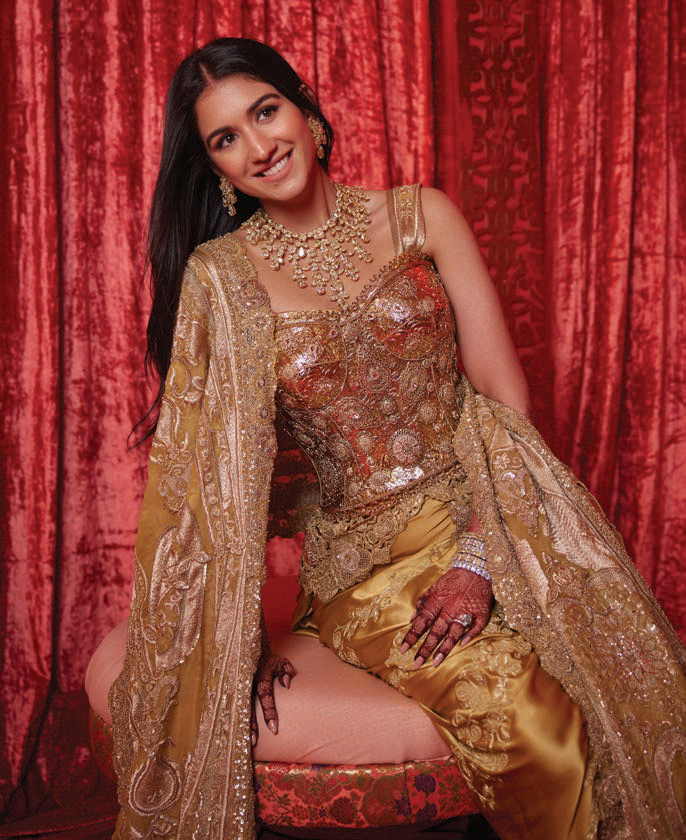
The Anant Ambani-Radhika Merchant nuptials completely flipped the script on what was thus far considered the quintessential Indian celebrity wedding. From multi-day pre-wedding celebrations in Jamnagar, Gujarat, to a European cruise getaway with Bollywood stars in tow, the festivities culminated in a star-studded wedding ceremony in Mumbai with everyone from Bill Gates to Ivanka Trump in attendance. The wedding also upped the ante on bridal fashion, with headline-grabbing looks—sister of the groom Isha Ambani Piramal’s custom Schiaparelli sari, bride Radhika Merchant’s Dolce & Gabbana x Anamika Khanna outfit and mother of the groom Nita Ambani’s jaw-dropping jewels.
While the wedding functions and the clothes had us all glued to our screens, it also seemed to get international luxury fashion brands paying close attention. After all, India’s wedding market is estimated at $130 billion, which is larger than the US and second only to China, according to a report by investment firm Jefferies, published in June 2024. The opportunity for international brands keen on India is certainly huge. Neha M Dayal, luxury retail strategist and head of growth at Asia Pacific-focussed investment firm Gold House attributes this to “the growing household income, youthful age distribution curve and the weight that weddings hold on the social economy,” in India.
“The appetite for luxury, especially among the new generation of brides and grooms, is only growing,” points out Chandni Modha, publicist and founder of London-based brand partnerships and talent management agency Modha Group. “Brides today want a lehenga for the pheras, but a statement gown for the cocktail, and contemporary separates for the afterparty,” she adds. Modha, whose clients include luxury brands like Versace and Mugler, also worked alongside Rhea Kapoor on styling Radhika Merchant for her wedding. “Radhika’s bridal looks created a splash because they featured a seamless coming together of Indian and international designers and brands.”
A STRATEGIC APPROACH
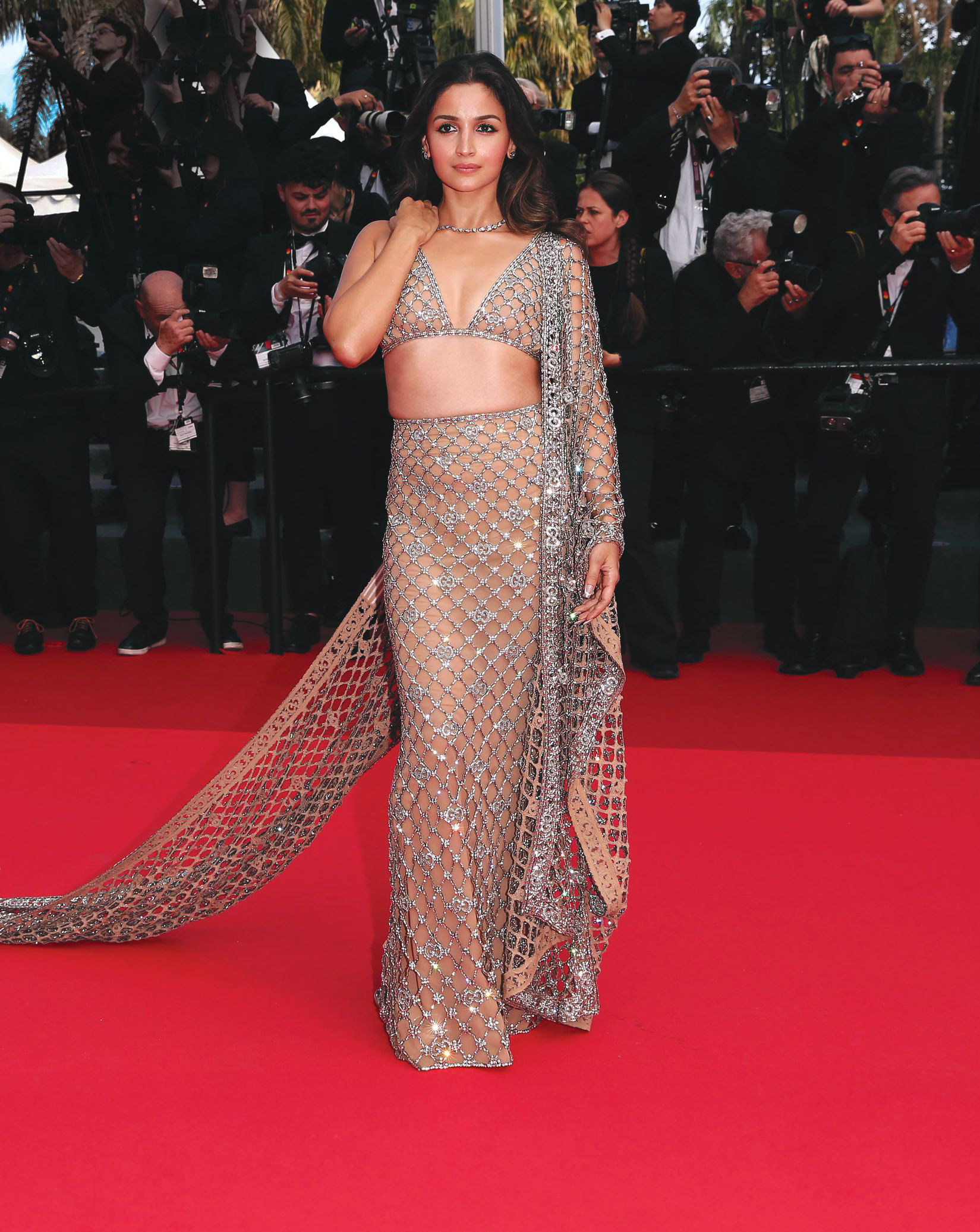
India has always been a challenging market for global brands. “It’s essential to make the Indian customer feel seen and valued,” explains luxury veteran Deepika Gehani, who was instrumental in bringing brands like Jimmy Choo, Bottega Veneta, and Giorgio Armani to India. “When a global brand takes the time to understand Indian culture, occasions, and preferences, it builds emotional equity. The customer feels like the brand genuinely wants to connect with them,” she says. Alia Bhatt’s recent red carpet outing at the 2025 Cannes Film Festival in a custom Gucci look that was dubbed as the international brand’s interpretation of the sari, found many fans. Not only did the collaboration create a buzz, but it also creates commercial opportunities come wedding season.
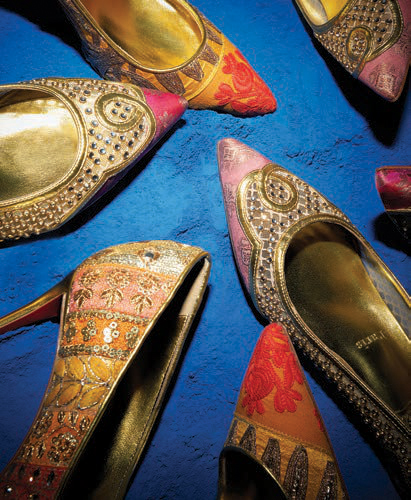
Gehani was early to recognise the immense spending potential at Indian weddings and had worked with Canali to launch their Nawab bandhgala in 2009 and more recently with Giorgio Armani for their India-exclusive achkan in 2019. In 2024, Christian Louboutin released their bejewelled footwear ahead of Diwali and the wedding season, much like Gucci and Jimmy Choo who often launch special India edits. “When it comes to weddings, apart from colours you also have to think of details like heel height, comfort and functionality. The buyer will be looking for not just an aesthetic fit but also wearability over long durations of wedding festivities,” Gehani says.
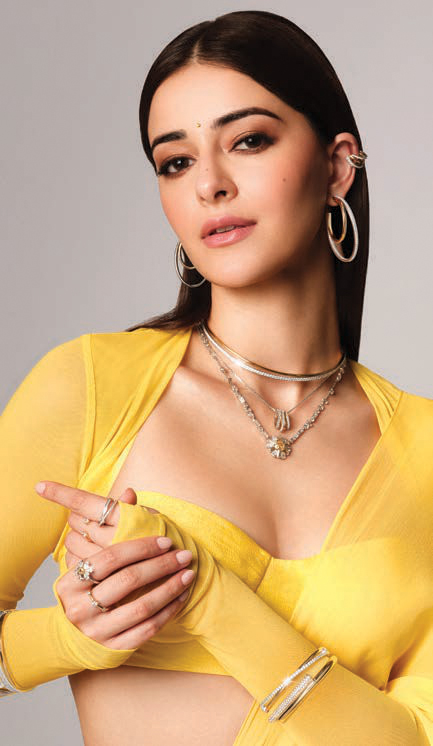
Nasr Sleiman, Swarovski’s general manager for India, Southeast Asia, and the Middle East, says that Indiacentric drops have helped them gain a foothold in the market, “enhancing our connection with the Indian audience.”
The brand has had Diwali focussed campaigns featuring brand ambassador Ananya Panday. “We’ve carefully tailored our collections to reflect Indian tastes with bold colours, gold finishes and floral motifs that beautifully align with the country’s love for opulence and detail,” says Sleiman.
GOING DEEPER
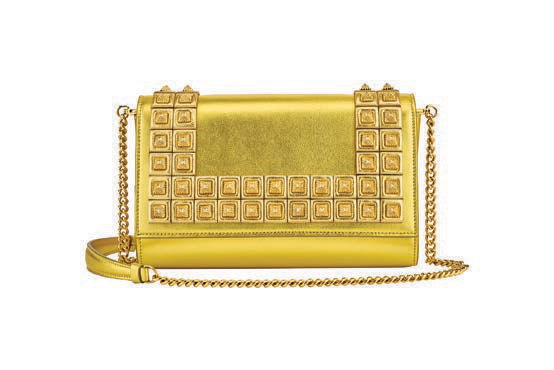
Gehani always advises new brands to test waters with curated pop-ups, bridal trunk shows and collaborations with local stylists and multi-designer stores. And while India-specific drops often rely on safe ploys like pinks and metallics, some global brands are going a step ahead to work with Indian brands for more meaningful collaborations.
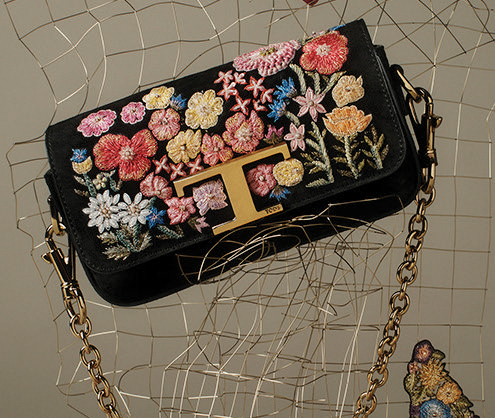
Louboutin had joined forces with Sabyasachi back in 2017 to co-create accessory collections featuring signature elements from both brands. More recently, Italian brand Tod’s released a line with Rahul Mishra’s signature embroideries. Modha points out: A collaboration with an Indian designer is a smart way to penetrate a sensitive market like India, but jumping into it too early can dilute your positioning or confuse it.” Modha helped launch Elie Saab in India in 2022 via multi-brand store Le Mill, a logical step considering many of the brand’s collections have been heavily inspired by Indian garments. “We positioned the brand as an aspirational yet culturally resonant choice by emphasising on handcrafted details, romance, and couture-focus that aligned with Indian bridal expectations,” explains Modha. “Ultimately, these drops need not be literal. They just need to speak the same emotional language that Indian weddings do.”
GOLD STANDARD
Over half of India’s jewellery revenues are led by bridal jewellery, the 2024 Jefferies report says. And international luxury jewellery brands want to make the most of this opportunity. Bvlgari launched their mangalsutra in 2021 and since then has been working with brand ambassador Priyanka Chopra Jonas to promote it in the Indian market and among the diaspora. Around Holi in 2024, the brand also hosted a private showcase of archival jewels inspired by India’s navratna gems. “Jewellery in India is connected to a deeply emotional relationship with heirlooms and investment pieces too,” says Modha.
There is also a shift towards fashion jewellery at festive occasions, in a market that is otherwise obsessed with fine jewels. So, while a bride may not always consider a brand like Swarovski for her main wedding events, it does make it to her bridal trousseau, and is also a preferred choice among bridesmaids, especially for destination weddings. As are many other such options. “A long-layered Chanel pearl necklace closely resembles a haar. Oscar de la Renta and Dolce & Gabbana too have experimented with earrings that resemble jhumkas,” says Dayal. “Allusion to our culture without proper context could be detrimental to the brand’s success in India. Research, intention, and the right storytelling are very important,” she adds.
Ultimately, the Indian wedding bridal market holds immense opportunities for luxury brands, but success depends on culturally sensitive storytelling and drops that place value on Indian culture rather than a copy-paste approach of what may work in the west.